Creating space for breakthroughs — Leadership lessons from Miles Davis
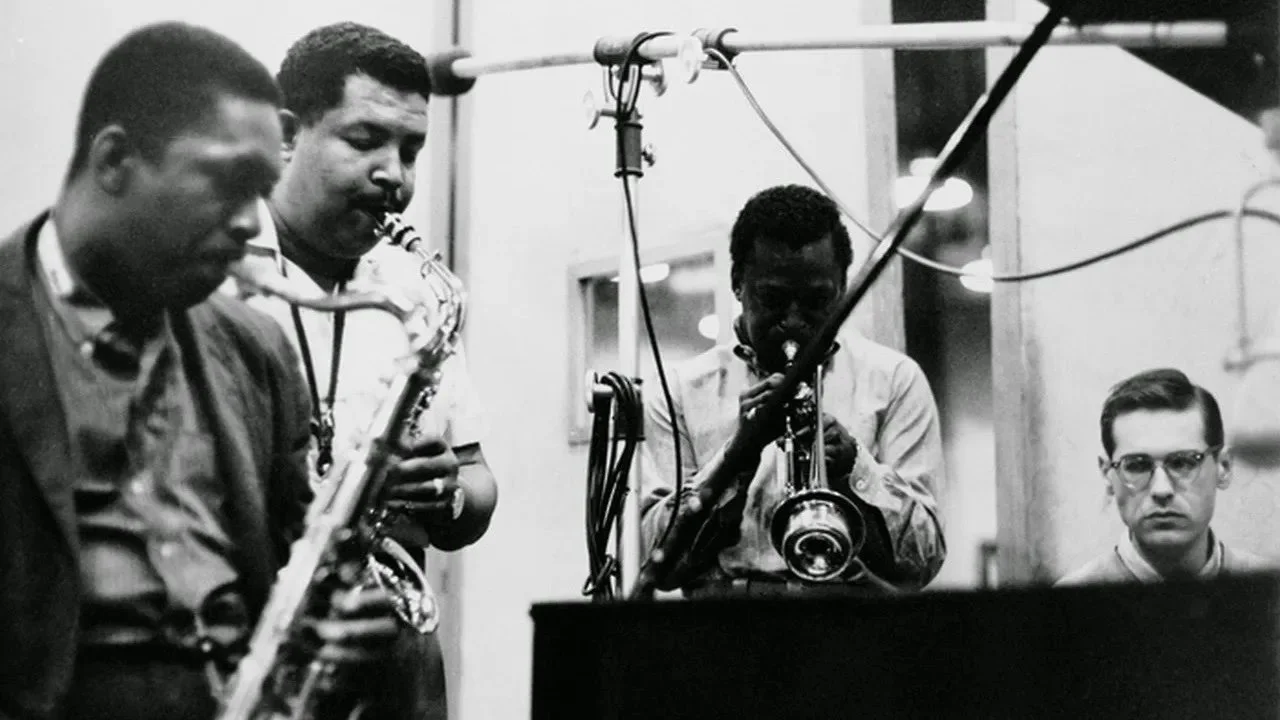
Kind of Blue Sessions
I recently watched the documentary Birth of the Cool, which follows the life and work of Miles Davis. It sent me back to the recordings of Kind of Blue — and to how much leadership can actually be learned from that moment in music history.
Jazz is often used as a metaphor for leadership. But the story of how Kind of Blue came to be offers something more concrete: a study in creative leadership at its very best.
Before we move on to the lessons in leadership, it is worth understanding just how significant the album was.
Released in 1959, Kind of Blue became the best-selling jazz album of all time and one of the most influential albums in modern music. It broke with the dominant bebop tradition—complex, fast-paced, and highly structured—and instead introduced modal jazz: fewer chord changes, more space, and a completely different emotional tone.
It sounded simple on the surface — but opened up a huge space for expression underneath.
The creative process
But the real lessons in leadership aren't just in the music — they're in how the album was made.
Miles Davis assembled a group of exceptional musicians, including John Coltrane, Bill Evans, Cannonball Adderley, and Herbie Hancock. Yet they did not show up to perform pre-written compositions.
When the musicians entered the studio in March 1959, they were given loose sketches and modal frameworks — rough outlines rather than sheet music.
Miles wanted spontaneity. Presence. Discovery in the moment.
Most of the songs were recorded in the first or second take.
Those sessions became a kind of template for how Miles later led his bands: find raw talent, create the right conditions, and trust that the collective intelligence of the group can create something that no individual could have designed alone.
Seen through a management lens, there are many lessons to be learned here.
1. Hire for potential — not just for credentials
Miles had a special ability to spot raw talent early on.
He didn't just recruit established names, but sought out musicians with something to say — even before they had fully found their voice.
He once said:
Creativity and genius... don't know anything about age. Either you have it, or you don't.
Kind of Blue gave John Coltrane the space to unfold and develop his expression — and shortly thereafter, he became one of the most groundbreaking musicians in jazz history.
Good leaders hire not only for proven ability, but also for curiosity, perspective, and creative potential.
If you only recruit people who match existing expectations, you build teams that reproduce the past — not create the future.
2. Provide sufficient direction — but no more than that
In the studio, Miles could introduce a song with the words:
“I have these few ideas — let’s go.”
When the musicians sought further details, they often received very little. One famous instruction was simply:
“It should just swing.”
The minimal direction was not the absence of leadership — but conscious space creation.
Too much structure stifles spontaneity. Too little creates insecurity. The trick is to provide just enough guidance for people to move forward—but still leave room for them to imagine something new.
Different teams require different degrees of direction. But creativity rarely arises from overly detailed plans.
3. Trust creates courage
Miles said:
“I know that if you have some great musicians, they’ll rise to the occasion. And they’ll perform far beyond what they think they’re capable of.”
He didn't just trust that the musicians could deliver—he trusted that they could elevate the music.
And that trust was palpable.
Many leaders talk about empowerment. Fewer create the kind of trust that makes empowerment safe.
Freedom without trust feels more like shirking responsibility than an opportunity.
But when trust, freedom, and ambition come together, people rise to the occasion. Not out of pressure—but out of courage.
And this is often where the biggest breakthroughs happen.
4. There are no errors
Herbie Hancock tells a famous story from a concert with Miles Davis.
He played a chord that he himself felt was wrong—a clear mistake.
Instead of reacting negatively, Miles paused for a moment… and then played notes that made the chord make sense.
Later, he said to Hancock:
“There are no mistakes.”
In an environment without set plans, the unexpected isn’t a mistake—it’s material.
Creative teams thrive when people build on each other’s contributions rather than correcting them too soon.
At Pixar, they work by a similar principle: “Make each other look good.”
When people dare to take risks, innovation accelerates—and often paves the way for new breakthroughs.
5. Let others shine
Offstage, Miles Davis had a reputation for having a big ego.
But in the studio—and especially on *Kind of Blue* —he created plenty of room for others to shine.
Coltrane’s solos take center stage. Bill Evans’ harmonic sensibility shapes the soundscape. Cannonball Adderley’s phrasing brings warmth and accessibility.
Miles didn't have to dominate every moment to lead the team.
Transformational leadership often involves taking a step back so that others can step forward.
And about being ready—maybe even willing—to be outshone.
Creating the conditions for a breakthrough
What stands out most to me about the *Kind of Blue* sessions is that Miles didn’t lead through answers—but through conditions.
He created the space, the trust, and the ambition that made it possible for something new to emerge.
He didn't try to control the outcome. He set the stage.
And perhaps that is the deeper lesson in leadership:
Not designing every single note—but creating the conditions in which breakthroughs can occur.
The Lessons in a Nutshell
Hire for potential—not just for qualifications
Provide enough guidance—but not too much
Trust breeds courage
There are no errors
Let others shine